From port city energy to timeless river memory
Each mile north reveals another layer of Southern history, where the past remains present in architecture, food, language, and music.
Table of Contents
A river before the nation
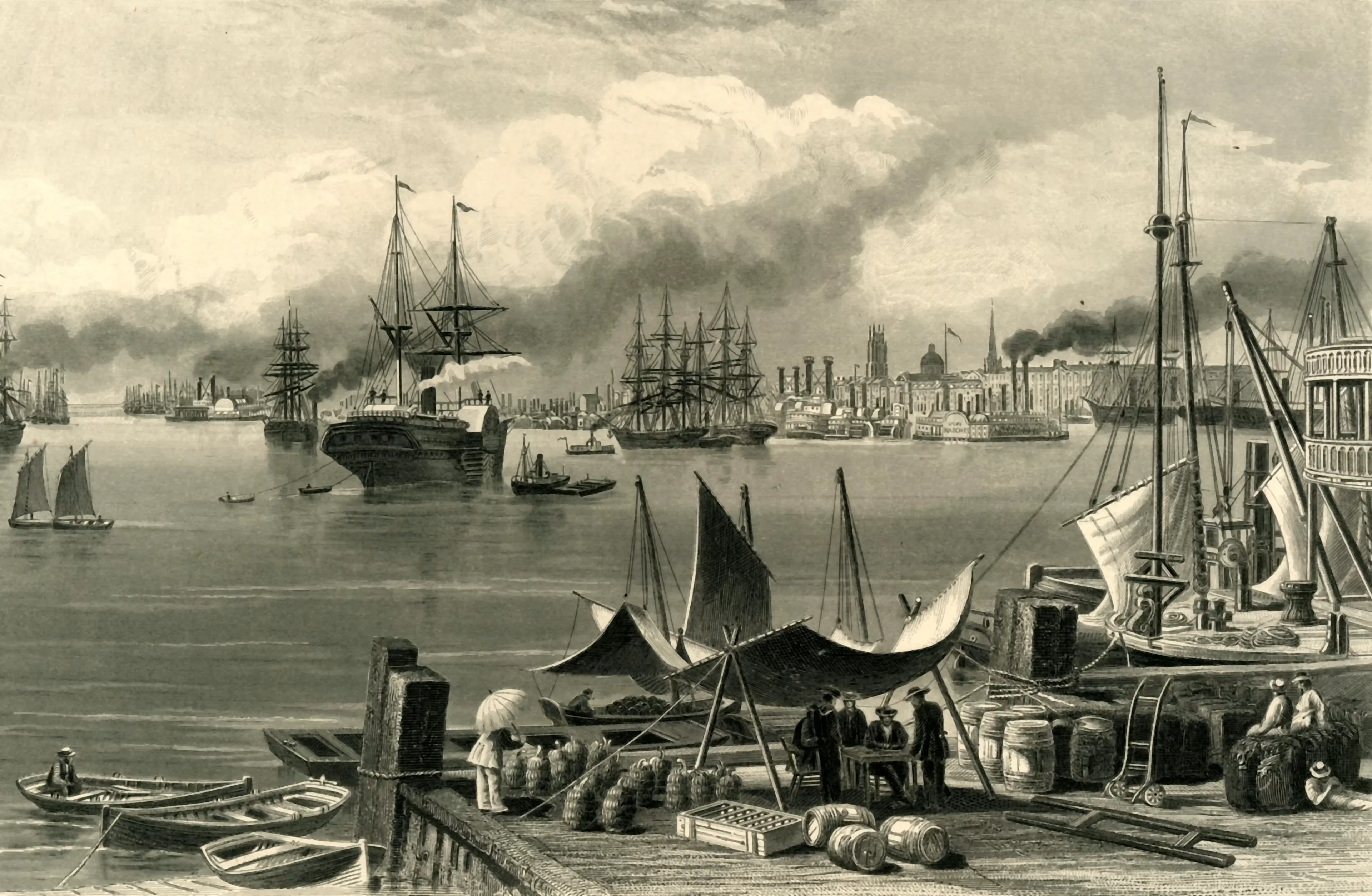
Long before the first cruise vessel welcomed modern travelers in New Orleans, this river had already been a route of survival, exchange, and ceremony for Indigenous peoples who knew its moods, floods, and seasonal gifts with extraordinary precision. The Mississippi was never simply a waterway; it was infrastructure, pantry, spiritual map, and diplomatic corridor all at once. Villages rose and shifted with river cycles, and knowledge moved across communities through oral tradition, trade networks, and generations of lived experience.
When European empires arrived, they encountered not an empty frontier but an already connected world. Over centuries, the river became a contested artery of colonial ambition, military strategy, and commerce. By the time the United States expanded westward, the Mississippi had become central to national imagination and economic identity. Cruising these waters today means floating through layers of history that are beautiful, complex, and deeply human—where every quiet bend in the river carries echoes of movement, adaptation, and memory.
New Orleans and the lower Mississippi gateway
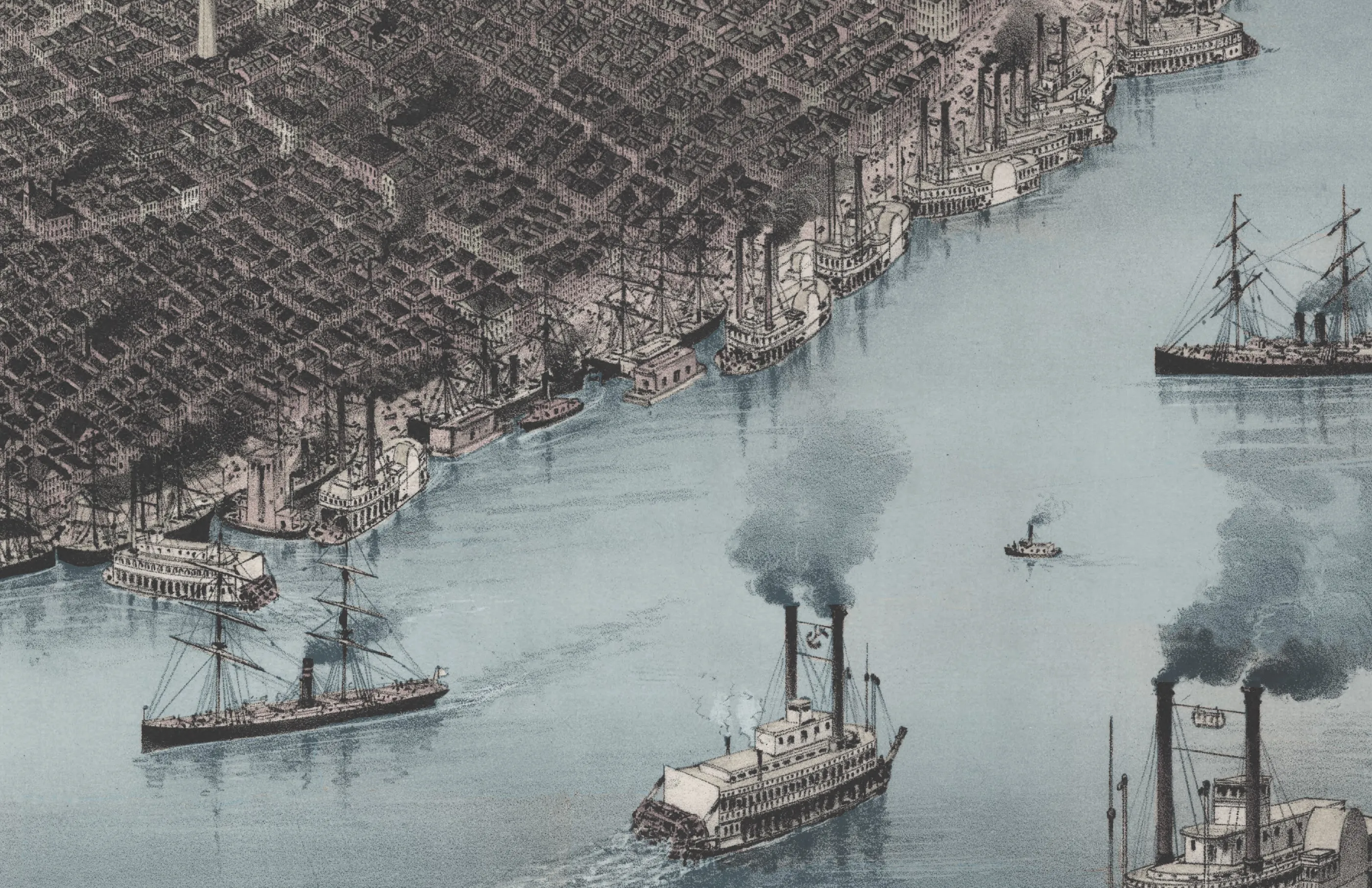
New Orleans has always been more than a departure point. It is the emotional prologue to the entire journey. Founded in the French colonial era and later shaped by Spanish governance, Caribbean influence, African heritage, and American expansion, the city evolved into a cultural crossroads unlike anywhere else in North America. Its riverfront served as an interface where goods, languages, religions, music traditions, and culinary practices converged.
As your ship departs, you are not leaving history behind—you are carrying it with you. The city’s architecture, brass band traditions, Creole and Cajun culinary legacies, and deep storytelling culture all prepare you to read the river more attentively. Travelers who spend even one extra day in New Orleans often board with a richer context, and that context makes each river stop feel more connected and more meaningful.
Trade, cotton, sugar, and global commerce
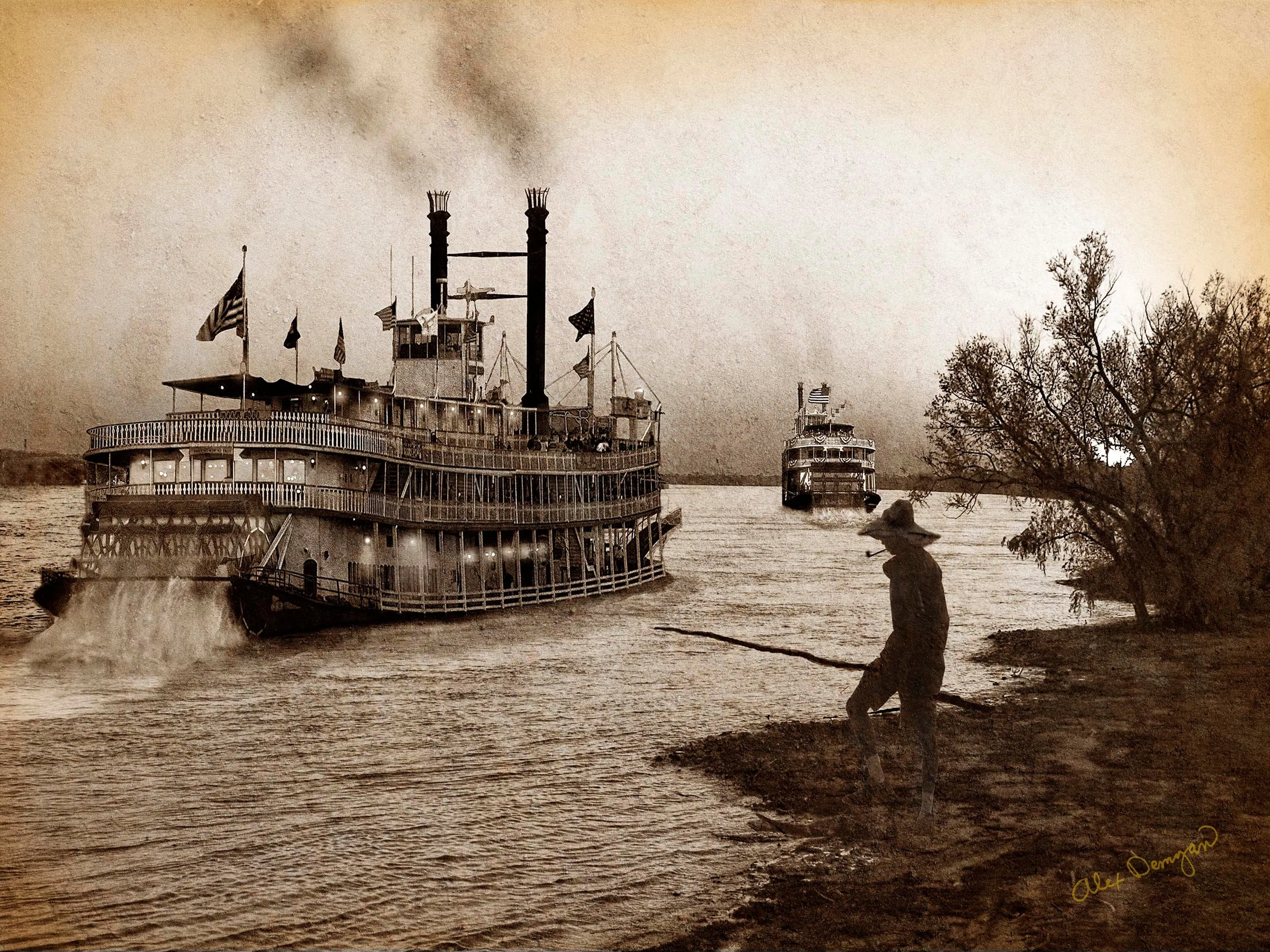
From the eighteenth through early twentieth centuries, the lower Mississippi became one of the most powerful commercial corridors in the world. Cotton, sugar, timber, and later industrial commodities moved through its ports at extraordinary scale, binding local communities to global markets. River ports grew into strategic economic nodes where fortunes were made, labor systems hardened, and social hierarchies were violently enforced.
Understanding this chapter matters because the beauty of the river cannot be separated from the systems that developed along it. Museums and guided tours increasingly present these histories with greater honesty, acknowledging the labor of enslaved people, immigrant communities, and dock workers whose lives sustained this economic engine. A thoughtful cruise experience allows you to appreciate scenic grandeur while engaging critically with the realities that shaped the region.
Steamboats and the age of river travel
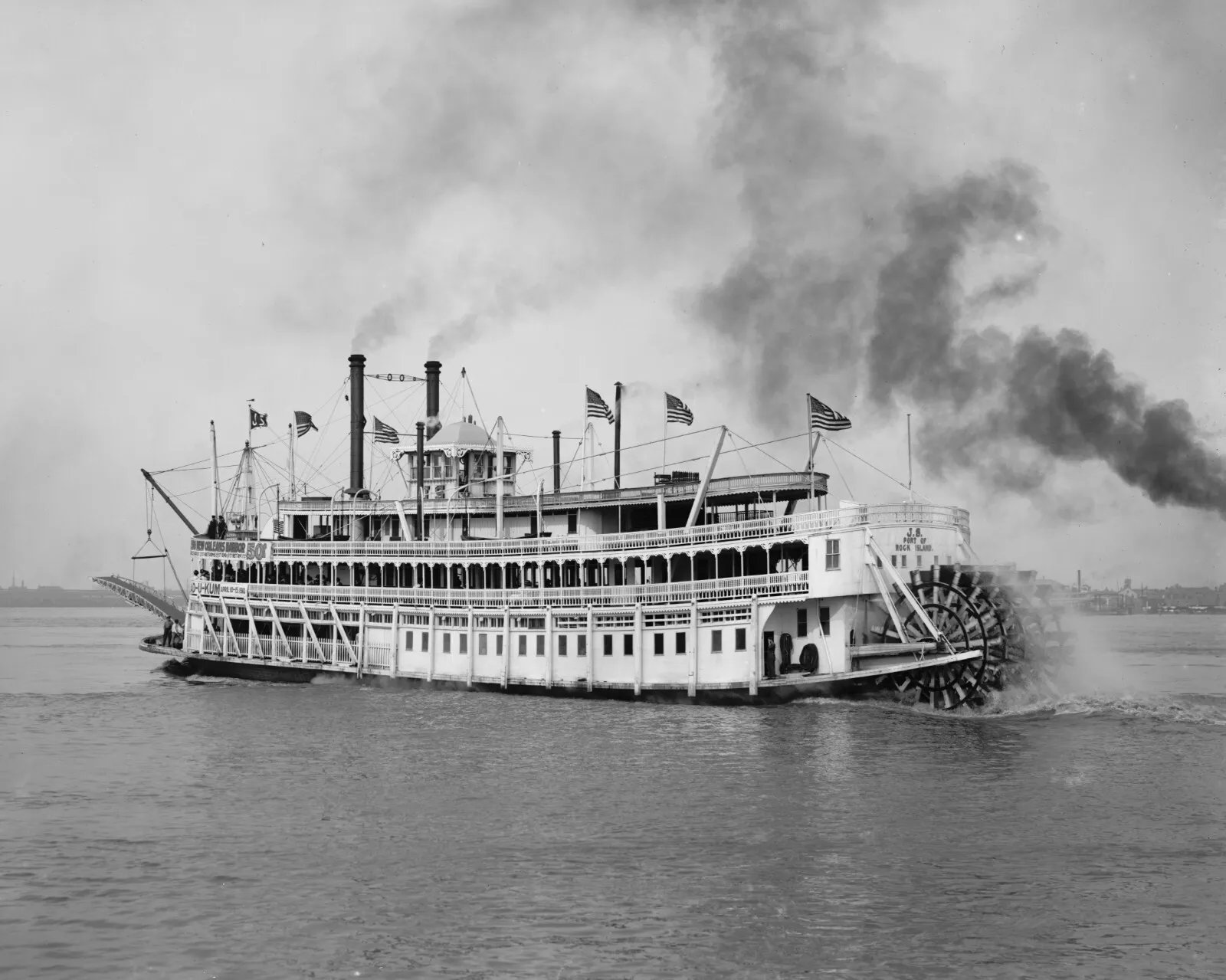
In the nineteenth century, steamboats transformed river mobility. What once required arduous flatboat journeys and uncertain return routes became a faster, repeatable network of passenger and cargo travel. River towns flourished as landing points, and schedules tied distant communities into a shared commercial calendar. Newspapers reported arrivals and departures the way modern cities track flights and trains.
Today’s cruise vessels differ in comfort and technology, yet they still inherit that sense of river-time: the cadence of docking, the anticipation of each stop, the social rituals of dining and evening conversation on deck. Whether your ship is a classic paddlewheel-inspired vessel or a contemporary boutique riverboat, the emotional continuity is unmistakable. You are participating in a tradition of river travel that has always combined practicality with wonder.
Plantation landscapes and difficult histories
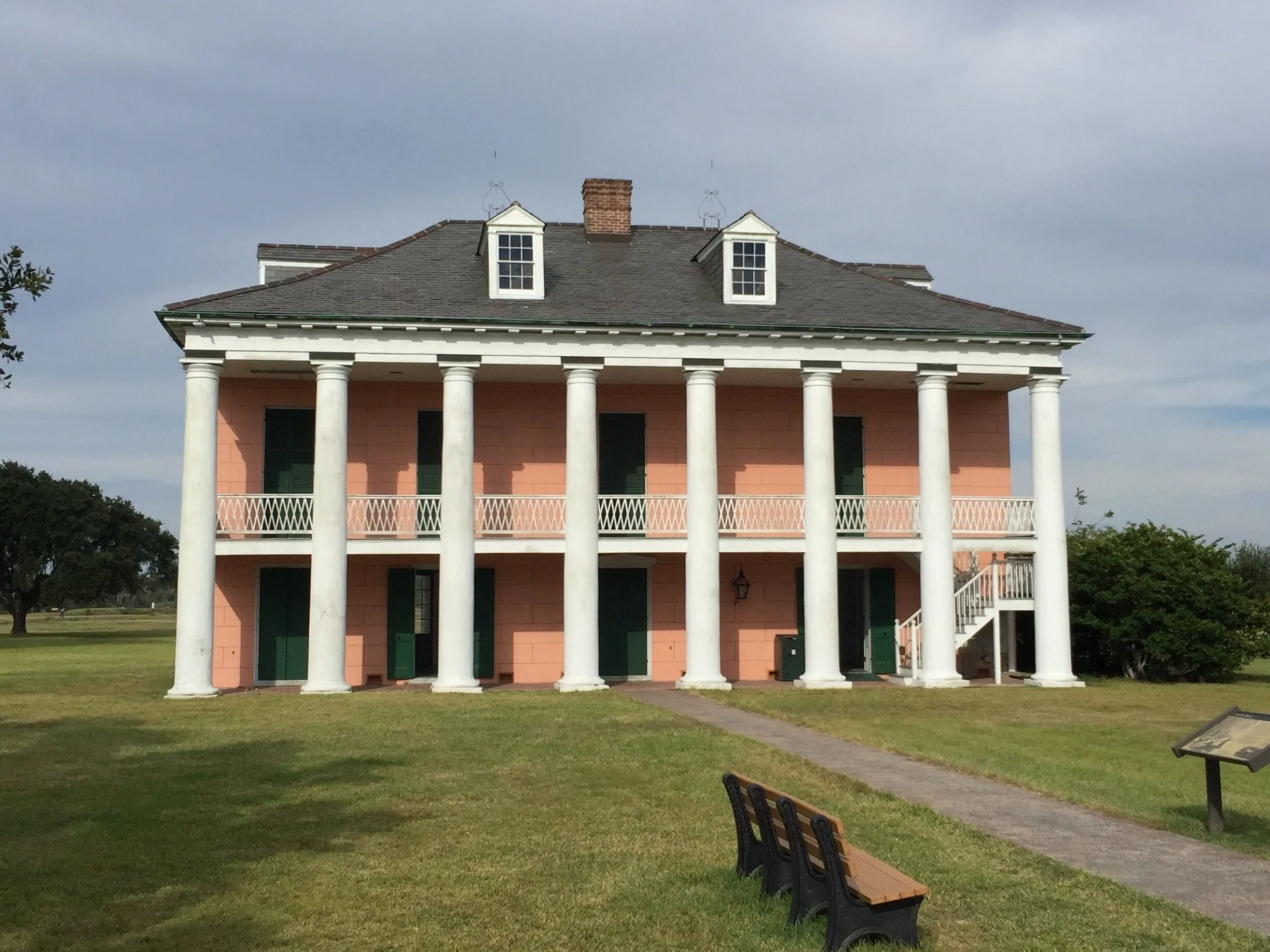
Plantation country is often one of the most visually striking segments of lower Mississippi itineraries, with dramatic oak avenues, preserved facades, and river-facing estates. Yet these landscapes also represent systems of forced labor and social violence that cannot be romanticized away. The best modern excursions increasingly center the voices of the enslaved and their descendants, framing architecture within fuller historical truth.
For many travelers, this is the most profound part of the journey: realizing that heritage travel can be both beautiful and ethically serious. A well-designed tour invites reflection, not spectacle. It asks visitors to hold complexity—to admire craftsmanship while acknowledging suffering, to listen before concluding, and to leave with deeper respect for the people whose lives built and transformed this region.
Civil War memory along the river
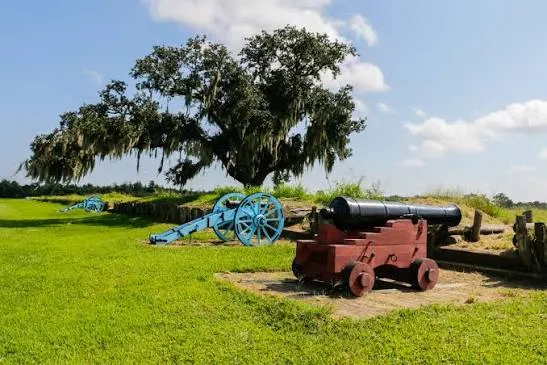
During the Civil War, control of the Mississippi was a decisive strategic objective. Whoever held the river controlled supply lines, troop movement, and large portions of the economic lifeline of the Confederacy. Campaigns, fortifications, and naval operations along the river reshaped communities for generations.
Many ports now interpret this period through museums, battlefield sites, and civic memory projects that connect military events to broader social transformation, including emancipation, reconstruction, and long-term struggles for civil rights. Cruising these waters can make historical geography feel immediate: distances, chokepoints, and river bends that once seemed abstract become visible and tangible in front of you.
Levees, floods, and engineering the channel
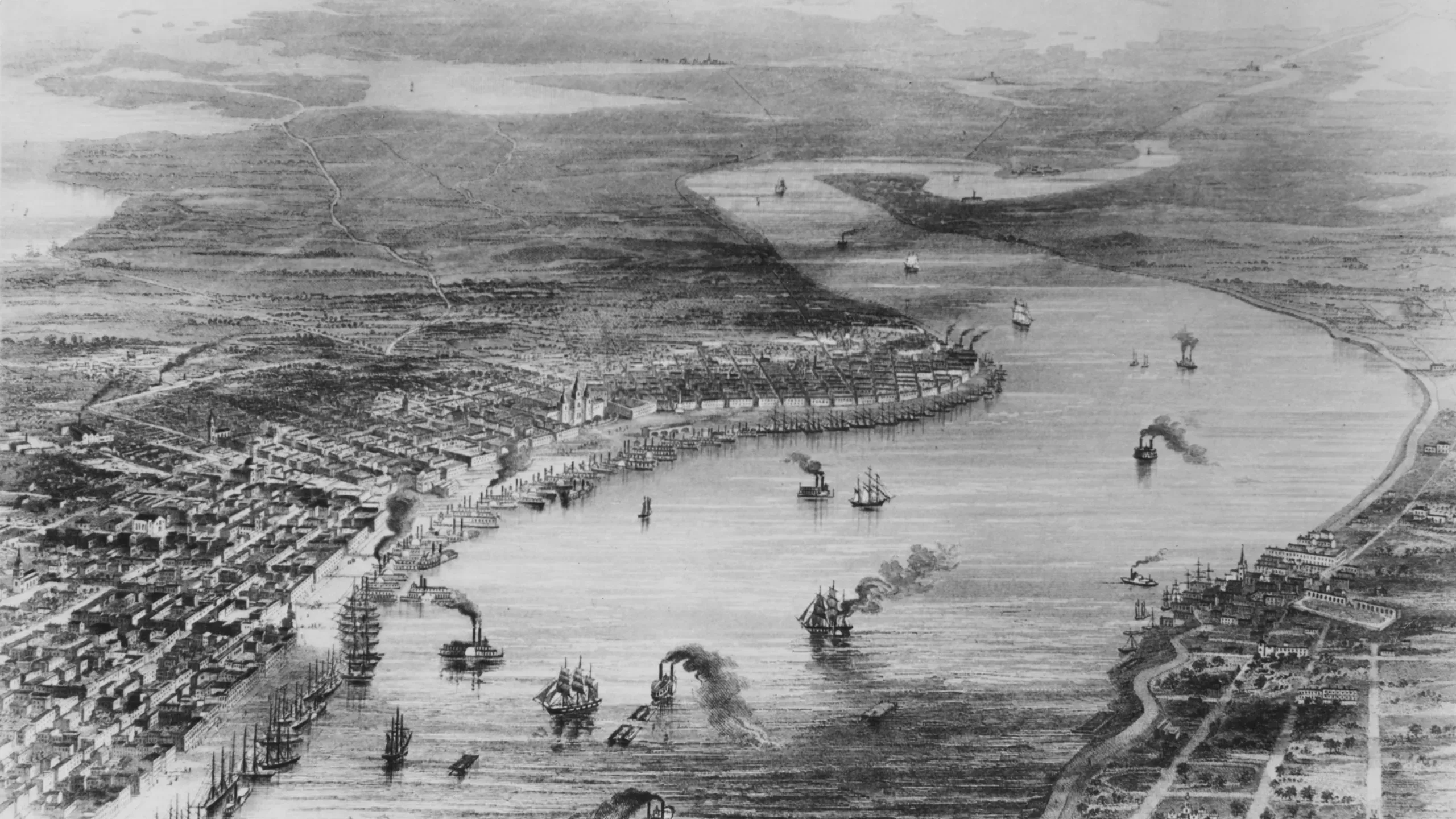
The Mississippi is dynamic, powerful, and never fully predictable. For generations, communities have built levees, spillways, and navigation systems to balance settlement, agriculture, shipping, and flood safety. This engineering achievement is enormous, but it is also an ongoing negotiation with nature rather than a final victory.
On cruise itineraries, you can often see how human intervention and natural river behavior coexist in practical tension: controlled channels beside floodplains, industrial traffic near wildlife habitat, and resilient communities adapting year after year. Understanding this helps travelers appreciate not just the romance of river cruising, but the infrastructure and stewardship that make safe navigation possible.
Music, food, and river-born cultural fusion
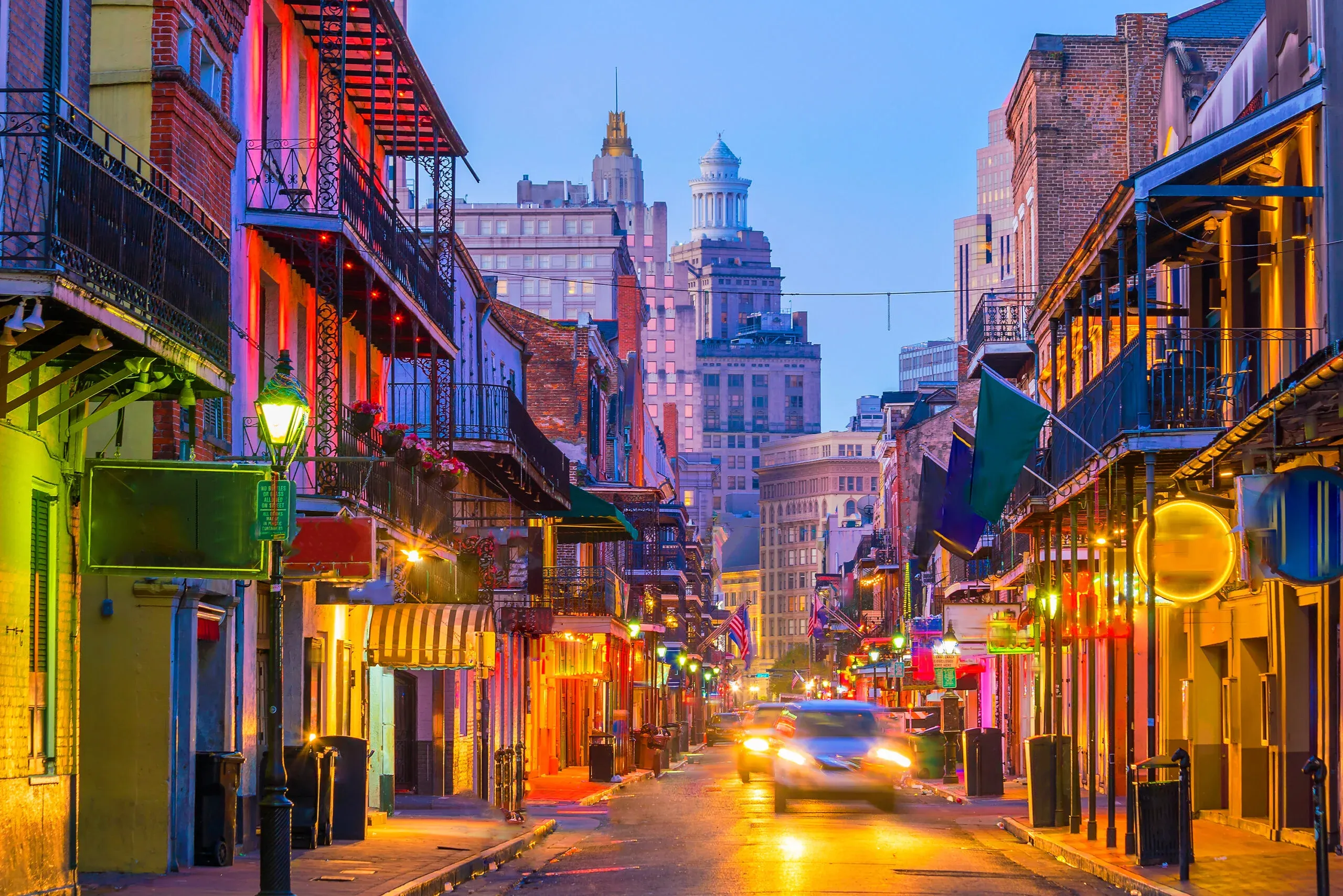
Few travel experiences deliver cultural texture as consistently as a Mississippi route from New Orleans. Musical traditions shaped by African diasporic creativity, church communities, street performance culture, and migration histories continue to evolve in river cities and towns. Jazz may be the headline, but blues, gospel, zydeco, and roots traditions all contribute to the soundscape.
Cuisine tells a parallel story. Gumbo, jambalaya, smoked meats, catfish, cornbread traditions, regional pastries, and modern farm-to-table Southern reinterpretations appear across different ports and onboard menus. Food becomes an archive of adaptation—an edible timeline of trade routes, climate, available crops, and cultural memory. Travelers who lean into local tastings often come away with some of their most vivid trip memories.
River towns and everyday Southern life
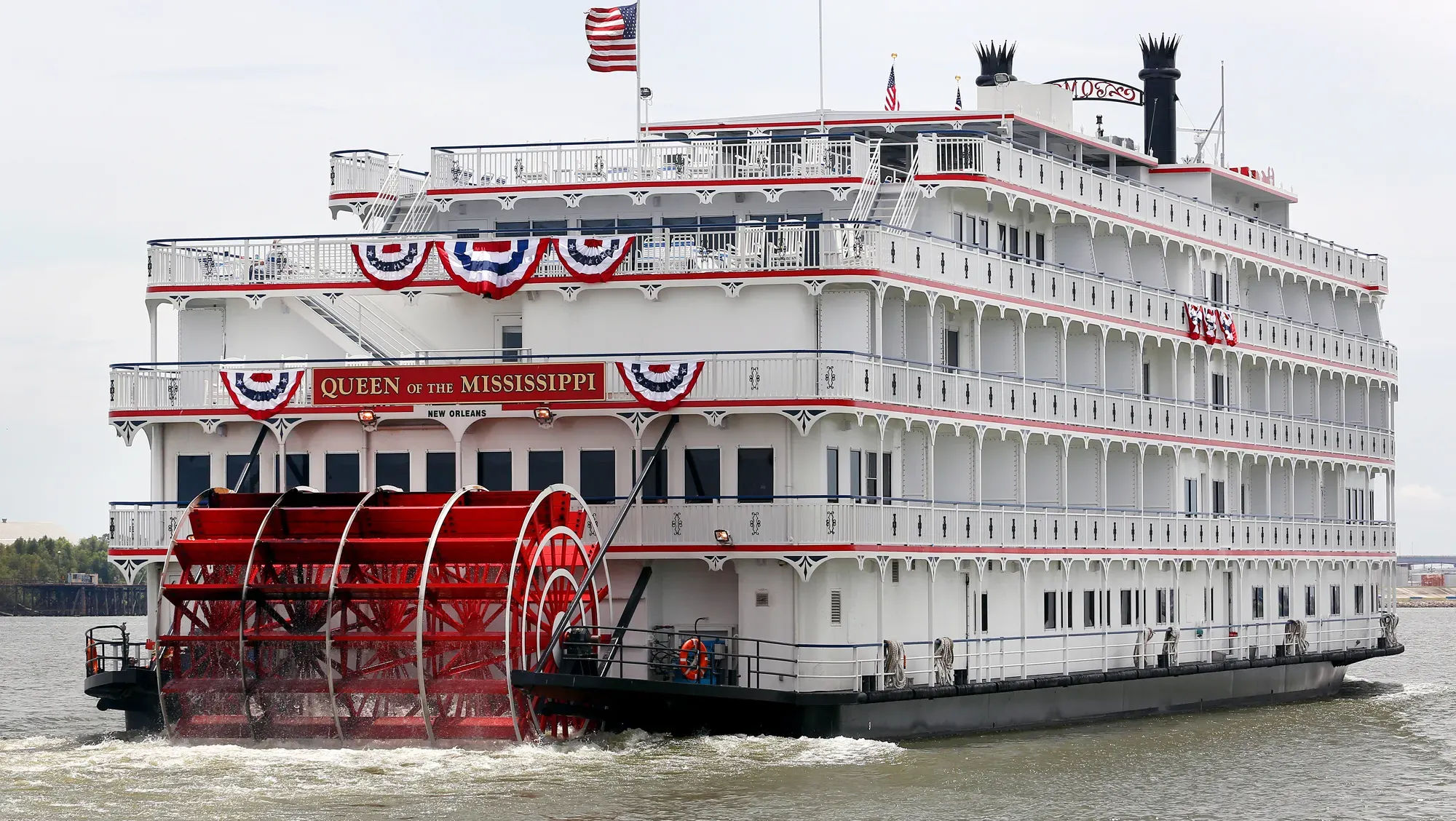
Beyond major attractions, one of the greatest joys of river cruising is spending time in smaller towns where pace, architecture, and social rhythms differ from big-city tourism patterns. Courthouse squares, local diners, community museums, and independent shops offer snapshots of place-specific identity that reward curiosity.
Conversations with local guides, museum docents, and small-business owners often become trip highlights because they add lived perspective that guidebooks cannot replicate. These moments remind travelers that the Mississippi is not only a historical symbol but also a present-day home to diverse communities balancing tradition, economic change, and regional pride.
Modern cruising and heritage tourism
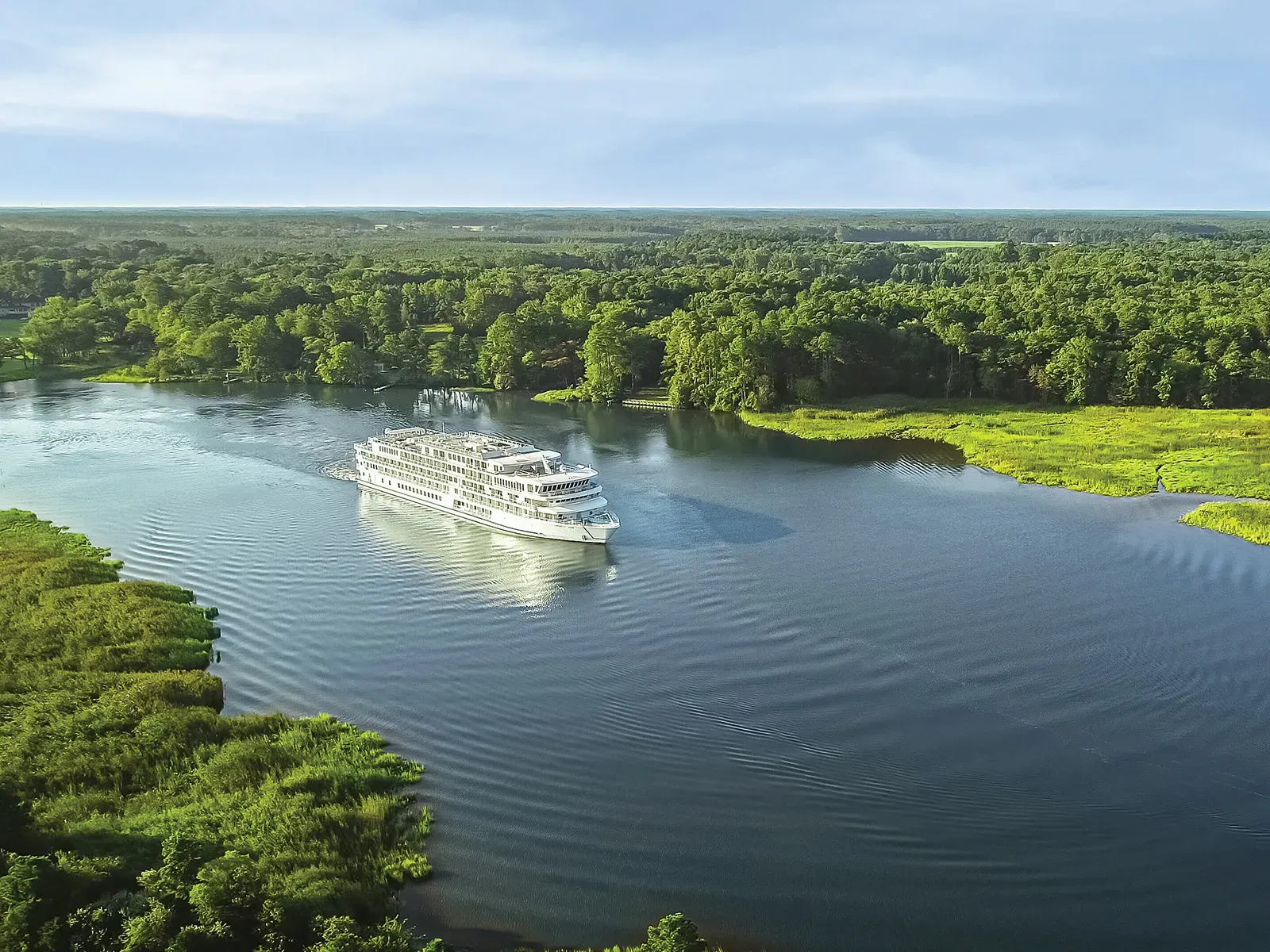
Today’s Mississippi cruises combine comfort with educational depth more than many first-time guests expect. Depending on the line, you may find expert lectures, curated walking tours, culinary demonstrations, and performances that connect directly to upcoming ports. This integration helps passengers move beyond checklist tourism into richer interpretation.
Choosing the right cruise means matching your priorities: relaxed scenic days, deeper history, music-focused departures, seasonal celebrations, or premium all-inclusive comfort. Reading the itinerary details closely pays off. The strongest experiences usually come from selecting a voyage that aligns with your pace and curiosity rather than simply choosing the shortest or cheapest option.
Conservation, ecology, and changing wetlands
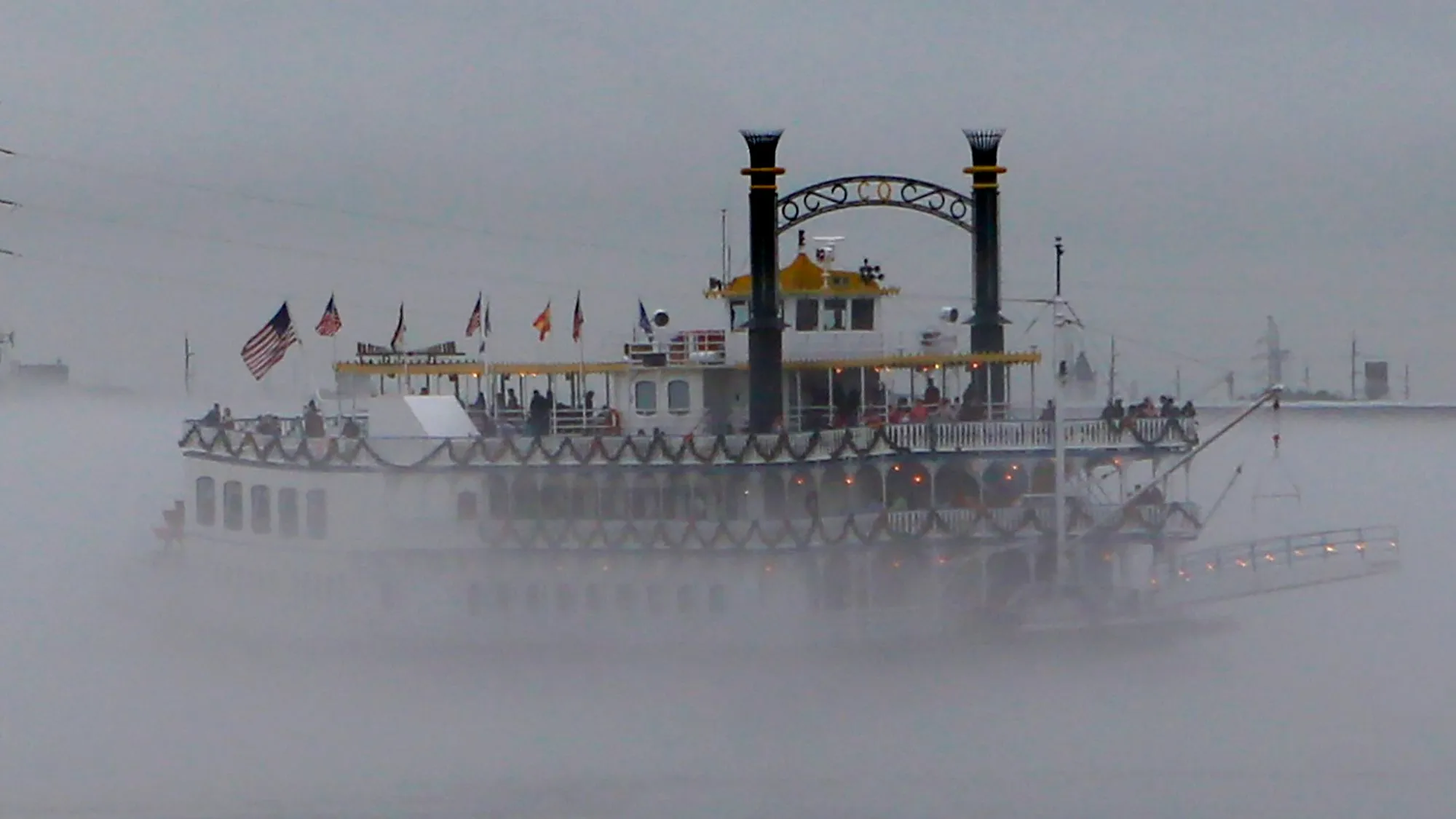
The lower Mississippi and delta regions are ecologically significant and increasingly vulnerable. Wetland loss, storm intensity, erosion, and changing water systems affect biodiversity, coastal resilience, and local livelihoods. Responsible tourism can play a positive role by supporting operators and local initiatives that prioritize environmental awareness and community-based stewardship.
When cruise programs include naturalist perspectives or conservation-focused excursions, travelers gain a deeper understanding of how ecology and culture are intertwined. The river is not only a historical route but also a living system under pressure. Seeing that reality firsthand often transforms how people think about travel, responsibility, and the long-term future of these landscapes.
How to experience the river thoughtfully
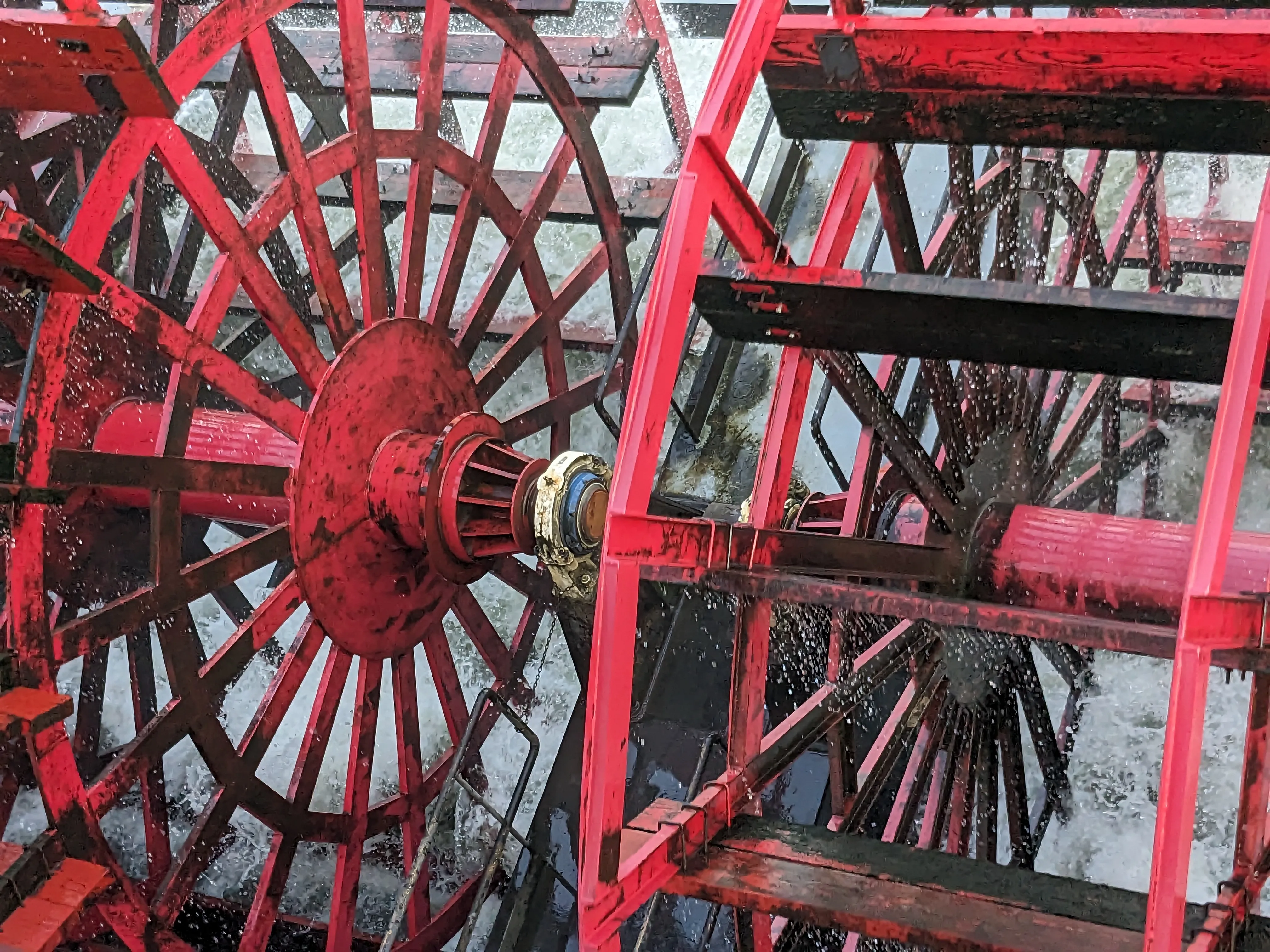
A thoughtful Mississippi cruise experience begins with preparation: read your itinerary deeply, choose excursions intentionally, and arrive ready to listen. Prioritize tours that include local voices and nuanced interpretation. Leave space in your schedule for unstructured time on deck, where the river itself becomes the guide.
During shore visits, support local businesses, ask respectful questions, and engage with museums and heritage sites at a human pace. The goal is not to consume places quickly but to understand them more clearly. Travelers who approach the river with curiosity and humility often return home with richer stories and a more lasting connection.
Why this journey stays with you
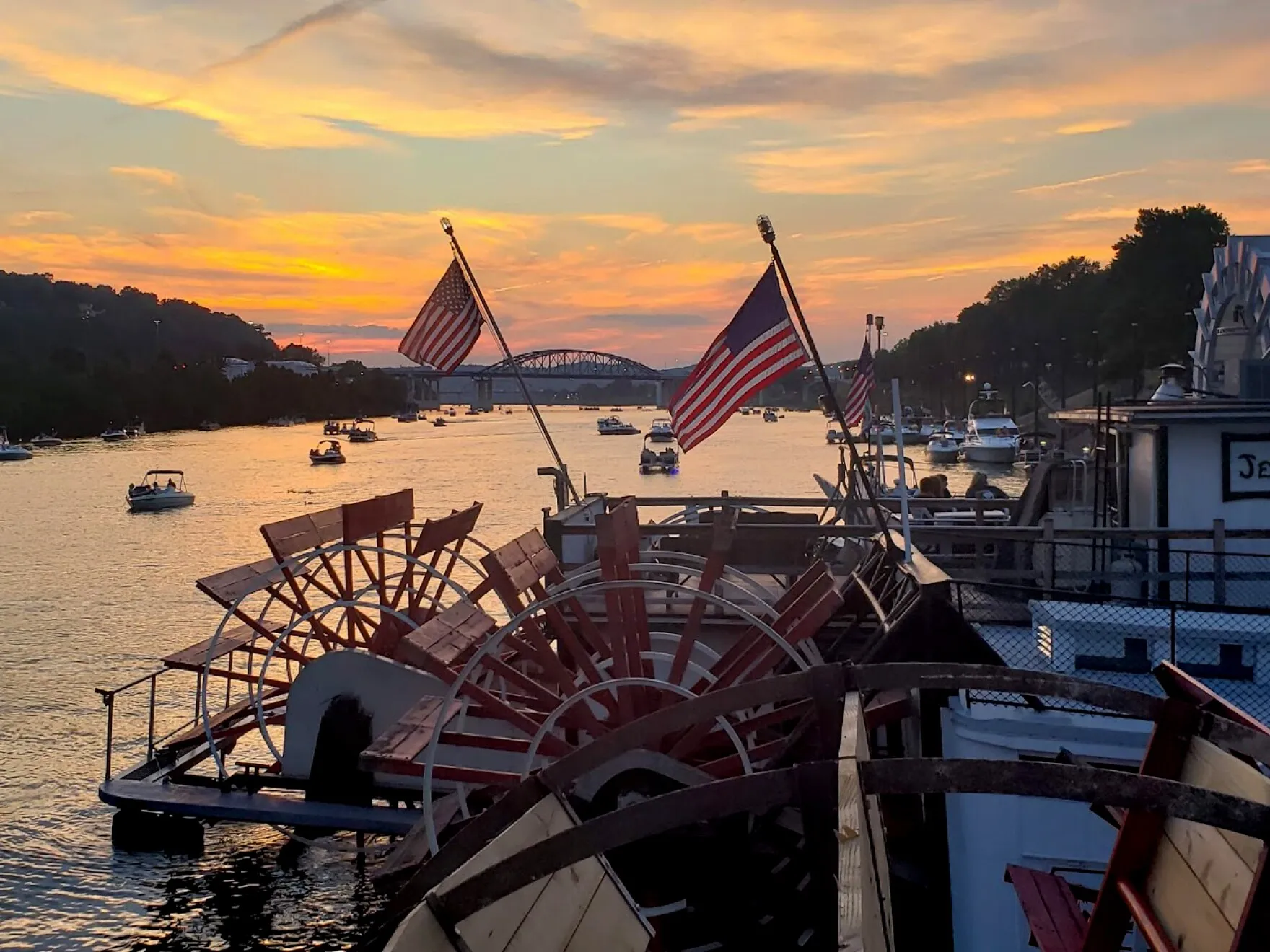
On paper, a Mississippi cruise can look simple: a route, a cabin, a sequence of ports. In practice, it becomes something far more memorable. The river has a way of slowing your attention just enough for details to matter—the changing light on the water, the tones of live music after dinner, the contrast between past and present in every town you visit.
By the time your voyage ends, you often feel that you did not just pass through destinations, but participated in a continuous story. New Orleans gives the journey its pulse, the river gives it its rhythm, and each stop gives it perspective. That is why so many travelers say this trip lingers long after unpacking: it offers beauty, history, and emotional depth in equal measure.
Table of Contents
A river before the nation
Long before the first cruise vessel welcomed modern travelers in New Orleans, this river had already been a route of survival, exchange, and ceremony for Indigenous peoples who knew its moods, floods, and seasonal gifts with extraordinary precision. The Mississippi was never simply a waterway; it was infrastructure, pantry, spiritual map, and diplomatic corridor all at once. Villages rose and shifted with river cycles, and knowledge moved across communities through oral tradition, trade networks, and generations of lived experience.
When European empires arrived, they encountered not an empty frontier but an already connected world. Over centuries, the river became a contested artery of colonial ambition, military strategy, and commerce. By the time the United States expanded westward, the Mississippi had become central to national imagination and economic identity. Cruising these waters today means floating through layers of history that are beautiful, complex, and deeply human—where every quiet bend in the river carries echoes of movement, adaptation, and memory.
New Orleans and the lower Mississippi gateway
New Orleans has always been more than a departure point. It is the emotional prologue to the entire journey. Founded in the French colonial era and later shaped by Spanish governance, Caribbean influence, African heritage, and American expansion, the city evolved into a cultural crossroads unlike anywhere else in North America. Its riverfront served as an interface where goods, languages, religions, music traditions, and culinary practices converged.
As your ship departs, you are not leaving history behind—you are carrying it with you. The city’s architecture, brass band traditions, Creole and Cajun culinary legacies, and deep storytelling culture all prepare you to read the river more attentively. Travelers who spend even one extra day in New Orleans often board with a richer context, and that context makes each river stop feel more connected and more meaningful.
Trade, cotton, sugar, and global commerce
From the eighteenth through early twentieth centuries, the lower Mississippi became one of the most powerful commercial corridors in the world. Cotton, sugar, timber, and later industrial commodities moved through its ports at extraordinary scale, binding local communities to global markets. River ports grew into strategic economic nodes where fortunes were made, labor systems hardened, and social hierarchies were violently enforced.
Understanding this chapter matters because the beauty of the river cannot be separated from the systems that developed along it. Museums and guided tours increasingly present these histories with greater honesty, acknowledging the labor of enslaved people, immigrant communities, and dock workers whose lives sustained this economic engine. A thoughtful cruise experience allows you to appreciate scenic grandeur while engaging critically with the realities that shaped the region.
Steamboats and the age of river travel
In the nineteenth century, steamboats transformed river mobility. What once required arduous flatboat journeys and uncertain return routes became a faster, repeatable network of passenger and cargo travel. River towns flourished as landing points, and schedules tied distant communities into a shared commercial calendar. Newspapers reported arrivals and departures the way modern cities track flights and trains.
Today’s cruise vessels differ in comfort and technology, yet they still inherit that sense of river-time: the cadence of docking, the anticipation of each stop, the social rituals of dining and evening conversation on deck. Whether your ship is a classic paddlewheel-inspired vessel or a contemporary boutique riverboat, the emotional continuity is unmistakable. You are participating in a tradition of river travel that has always combined practicality with wonder.
Plantation landscapes and difficult histories
Plantation country is often one of the most visually striking segments of lower Mississippi itineraries, with dramatic oak avenues, preserved facades, and river-facing estates. Yet these landscapes also represent systems of forced labor and social violence that cannot be romanticized away. The best modern excursions increasingly center the voices of the enslaved and their descendants, framing architecture within fuller historical truth.
For many travelers, this is the most profound part of the journey: realizing that heritage travel can be both beautiful and ethically serious. A well-designed tour invites reflection, not spectacle. It asks visitors to hold complexity—to admire craftsmanship while acknowledging suffering, to listen before concluding, and to leave with deeper respect for the people whose lives built and transformed this region.
Civil War memory along the river
During the Civil War, control of the Mississippi was a decisive strategic objective. Whoever held the river controlled supply lines, troop movement, and large portions of the economic lifeline of the Confederacy. Campaigns, fortifications, and naval operations along the river reshaped communities for generations.
Many ports now interpret this period through museums, battlefield sites, and civic memory projects that connect military events to broader social transformation, including emancipation, reconstruction, and long-term struggles for civil rights. Cruising these waters can make historical geography feel immediate: distances, chokepoints, and river bends that once seemed abstract become visible and tangible in front of you.
Levees, floods, and engineering the channel
The Mississippi is dynamic, powerful, and never fully predictable. For generations, communities have built levees, spillways, and navigation systems to balance settlement, agriculture, shipping, and flood safety. This engineering achievement is enormous, but it is also an ongoing negotiation with nature rather than a final victory.
On cruise itineraries, you can often see how human intervention and natural river behavior coexist in practical tension: controlled channels beside floodplains, industrial traffic near wildlife habitat, and resilient communities adapting year after year. Understanding this helps travelers appreciate not just the romance of river cruising, but the infrastructure and stewardship that make safe navigation possible.
Music, food, and river-born cultural fusion
Few travel experiences deliver cultural texture as consistently as a Mississippi route from New Orleans. Musical traditions shaped by African diasporic creativity, church communities, street performance culture, and migration histories continue to evolve in river cities and towns. Jazz may be the headline, but blues, gospel, zydeco, and roots traditions all contribute to the soundscape.
Cuisine tells a parallel story. Gumbo, jambalaya, smoked meats, catfish, cornbread traditions, regional pastries, and modern farm-to-table Southern reinterpretations appear across different ports and onboard menus. Food becomes an archive of adaptation—an edible timeline of trade routes, climate, available crops, and cultural memory. Travelers who lean into local tastings often come away with some of their most vivid trip memories.
River towns and everyday Southern life
Beyond major attractions, one of the greatest joys of river cruising is spending time in smaller towns where pace, architecture, and social rhythms differ from big-city tourism patterns. Courthouse squares, local diners, community museums, and independent shops offer snapshots of place-specific identity that reward curiosity.
Conversations with local guides, museum docents, and small-business owners often become trip highlights because they add lived perspective that guidebooks cannot replicate. These moments remind travelers that the Mississippi is not only a historical symbol but also a present-day home to diverse communities balancing tradition, economic change, and regional pride.
Modern cruising and heritage tourism
Today’s Mississippi cruises combine comfort with educational depth more than many first-time guests expect. Depending on the line, you may find expert lectures, curated walking tours, culinary demonstrations, and performances that connect directly to upcoming ports. This integration helps passengers move beyond checklist tourism into richer interpretation.
Choosing the right cruise means matching your priorities: relaxed scenic days, deeper history, music-focused departures, seasonal celebrations, or premium all-inclusive comfort. Reading the itinerary details closely pays off. The strongest experiences usually come from selecting a voyage that aligns with your pace and curiosity rather than simply choosing the shortest or cheapest option.
Conservation, ecology, and changing wetlands
The lower Mississippi and delta regions are ecologically significant and increasingly vulnerable. Wetland loss, storm intensity, erosion, and changing water systems affect biodiversity, coastal resilience, and local livelihoods. Responsible tourism can play a positive role by supporting operators and local initiatives that prioritize environmental awareness and community-based stewardship.
When cruise programs include naturalist perspectives or conservation-focused excursions, travelers gain a deeper understanding of how ecology and culture are intertwined. The river is not only a historical route but also a living system under pressure. Seeing that reality firsthand often transforms how people think about travel, responsibility, and the long-term future of these landscapes.
How to experience the river thoughtfully
A thoughtful Mississippi cruise experience begins with preparation: read your itinerary deeply, choose excursions intentionally, and arrive ready to listen. Prioritize tours that include local voices and nuanced interpretation. Leave space in your schedule for unstructured time on deck, where the river itself becomes the guide.
During shore visits, support local businesses, ask respectful questions, and engage with museums and heritage sites at a human pace. The goal is not to consume places quickly but to understand them more clearly. Travelers who approach the river with curiosity and humility often return home with richer stories and a more lasting connection.
Why this journey stays with you
On paper, a Mississippi cruise can look simple: a route, a cabin, a sequence of ports. In practice, it becomes something far more memorable. The river has a way of slowing your attention just enough for details to matter—the changing light on the water, the tones of live music after dinner, the contrast between past and present in every town you visit.
By the time your voyage ends, you often feel that you did not just pass through destinations, but participated in a continuous story. New Orleans gives the journey its pulse, the river gives it its rhythm, and each stop gives it perspective. That is why so many travelers say this trip lingers long after unpacking: it offers beauty, history, and emotional depth in equal measure.